Laser Spine Surgery
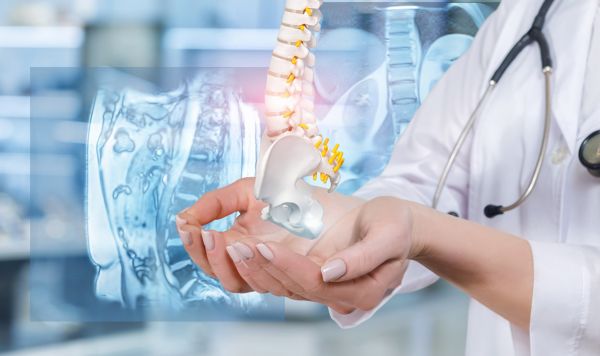
Laser spine surgery is a minimally invasive technique used to treat various spinal conditions, such as herniated discs, spinal stenosis, and degenerative disc disease. Unlike traditional open spinal surgery, which involves large incisions and significant muscle disruption, laser spine surgery uses a laser to remove or shrink disc material and other tissues through small incisions. […]
TLIF Surgery
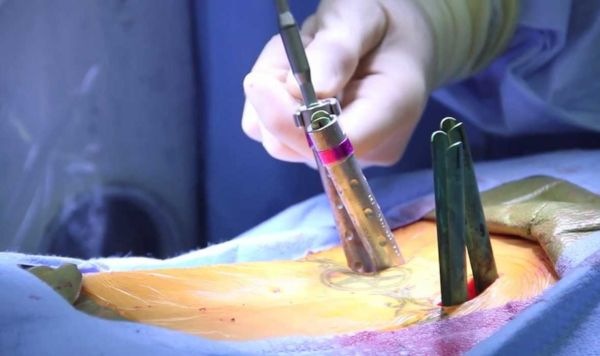
Transforaminal Lumbar Interbody Fusion (TLIF) is a type of spinal surgery used to treat various conditions affecting the lumbar (lower) spine, such as degenerative disc disease, spinal stenosis, herniated discs, or spondylolisthesis. The goal of TLIF is to stabilize the spine by fusing two or more vertebrae together and alleviating pain by removing the damaged […]
ALIF Surgery
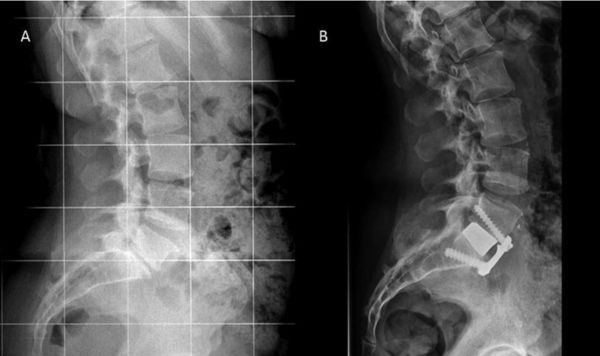
Anterior Lumbar Interbody Fusion (ALIF) surgery is a type of spinal surgery used to treat various conditions affecting the lumbar spine, such as degenerative disc disease, herniated discs, spinal stenosis, or spondylolisthesis. The procedure involves removing a damaged disc in the lower back and fusing the adjacent vertebrae to stabilize the spine and relieve pain. […]
Spine TB
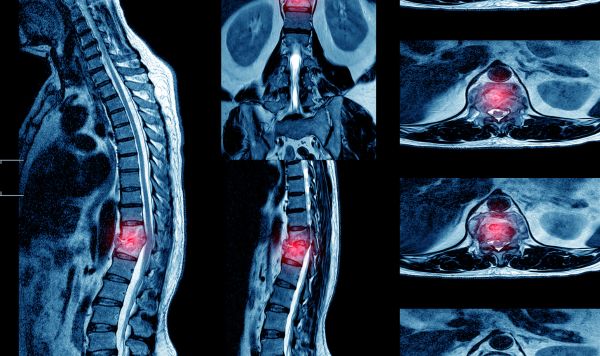
Spinal tuberculosis (spine TB), also known as tuberculous spondylitis, is a form of tuberculosis that affects the spine. It is caused by the bacterium Mycobacterium tuberculosis and can lead to severe complications if not treated promptly. The condition primarily affects the thoracic and lumbar regions of the spine and can cause symptoms such as back […]
Osteoporosis
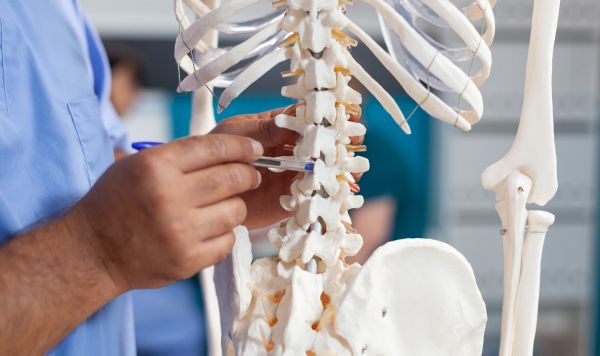
Osteoporosis is a condition characterized by weakened bones that are more susceptible to fractures and breaks. This occurs due to a loss of bone density and strength, making the bones porous and brittle. Osteoporosis often develops without noticeable symptoms until a fracture occurs. Here is a detailed overview of services available for managing and treating […]
Scoliosis
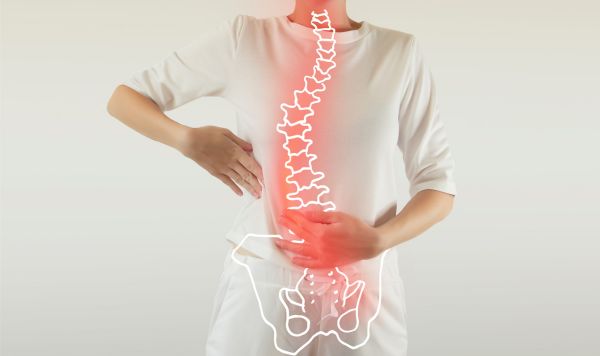
Scoliosis is a condition characterized by an abnormal curvature of the spine, often forming an “S” or “C” shape when viewed from the back. It can develop during adolescence (idiopathic scoliosis), or as a result of other conditions like congenital abnormalities or neuromuscular disorders. Treatment approaches depend on the severity of the curvature, the age […]
Cervical Myelopathy
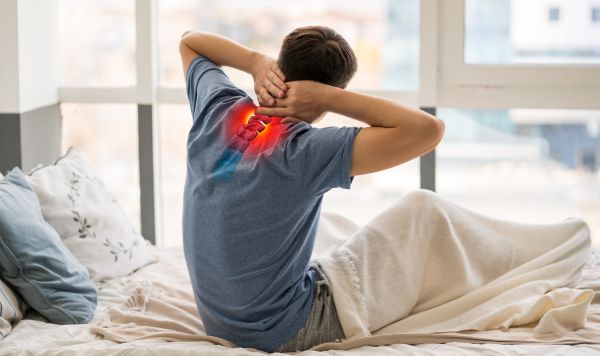
Cervical myelopathy is a condition caused by compression of the spinal cord in the cervical (neck) region of the spine. This compression can result from various factors, such as degenerative disc disease, herniated discs, or spinal stenosis. Symptoms of cervical myelopathy can include neck pain, stiffness, balance issues, numbness, weakness in the arms or legs, […]
Spinal Fracture
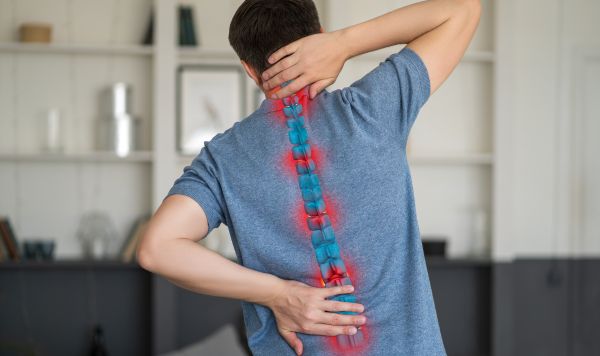
A spinal fracture is a break or crack in one or more of the vertebrae in the spine. This can occur due to trauma, such as a car accident or fall, or from conditions that weaken the bones, like osteoporosis. Spinal fractures can lead to pain, instability, and in severe cases, nerve damage. Here are […]
Spondylolisthesis
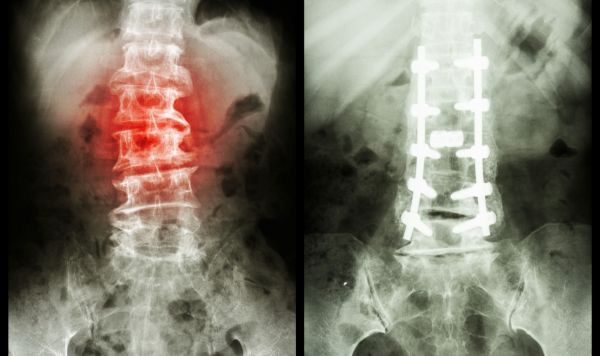
Spondylolisthesis is a condition where one of the vertebrae slips out of place onto the vertebra below it. This can cause lower back pain, stiffness, and nerve compression leading to symptoms such as numbness, weakness, and leg pain. Here are detailed descriptions of services available for managing and treating spondylolisthesis:
Lumbar Canal Stenosis
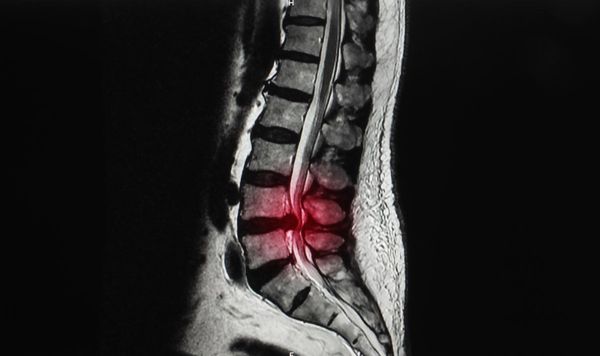
Lumbar canal stenosis is a condition where the spinal canal in the lower back narrows, causing compression of the spinal cord and nerves. This can lead to symptoms such as pain, numbness, weakness, and difficulty walking. Here are detailed descriptions of services available for managing and treating lumbar canal stenosis: